Why Most Businesses Are Ignoring Customer Feedback That Could Transform Their Success

Discover the reasons why many businesses overlook valuable customer feedback and learn how to effectively leverage it to improve customer satisfaction and drive growth.

In today's hyper-competitive marketplace, customer feedback represents one of the most valuable assets a business can possess. Yet, a staggering number of companies are ignoring customer feedback that could be their key to unlocking unprecedented growth and customer loyalty. This oversight isn't just a missed opportunity—it's a costly mistake that's driving customers away and stunting business potential.
Research reveals a sobering truth: 68% of customers stop doing business with a company because they feel unappreciated. When businesses fail to acknowledge and act on customer input, they're not just losing individual sales—they're systematically eroding the foundation of customer relationships that sustain long-term success.
The Hidden Psychology Behind Feedback Avoidance
Understanding why businesses struggle with customer feedback requires examining the psychological barriers that prevent meaningful engagement. The emotional toll of criticism creates a natural human tendency to avoid potentially uncomfortable conversations.
The Emotional Burden of Negative Reviews
A remarkable 82% of business owners report that negative reviews take a significant emotional toll. This psychological impact creates defensive mechanisms that block productive feedback processing. Instead of viewing criticism as valuable intelligence about customer experiences, many business leaders interpret negative feedback as personal attacks on their competence or vision.
This emotional response triggers what psychologists call "feedback avoidance behavior"—a protective mechanism that shields the ego but ultimately harms business growth. When business owners become emotionally invested in avoiding criticism, they miss crucial opportunities to identify and resolve systemic issues that could be driving customers away.
Confirmation Bias in Senior Management
Senior management often falls prey to confirmation bias when processing customer feedback. Rather than objectively analyzing what customers are saying, executives tend to filter information through their existing beliefs about their products, services, and market position. This selective interpretation means that valuable insights get dismissed or downplayed, while feedback that confirms existing assumptions receives disproportionate attention.
The result is a distorted understanding of customer satisfaction that leads to misguided strategic decisions and missed opportunities for improvement.
Structural Problems That Sabotage Feedback Collection
Beyond psychological barriers, many businesses inadvertently sabotage their own feedback collection efforts through poor system design and implementation.
Survey Design Failures
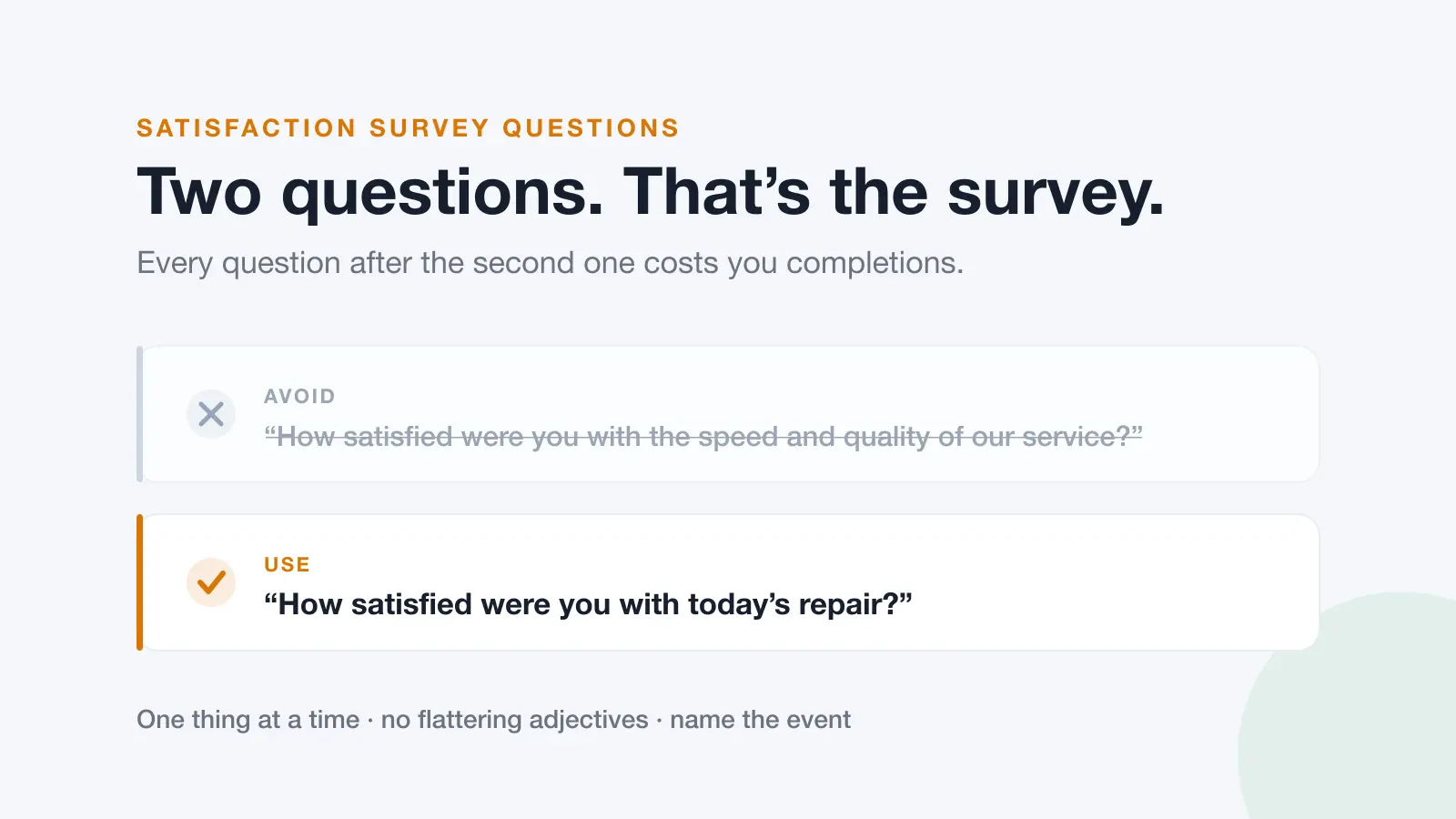
One of the most common mistakes businesses make is creating overly complex feedback surveys. When customers encounter lengthy questionnaires with too many questions, they frequently abandon the process entirely. This survey fatigue means businesses lose access to insights from their most engaged customers—the very people most likely to provide thoughtful, actionable feedback.
Effective feedback collection requires striking a delicate balance between gathering comprehensive information and respecting customers' time constraints. Businesses that fail to optimize this balance consistently underperform in feedback quantity and quality.
Lack of Follow-Through Systems
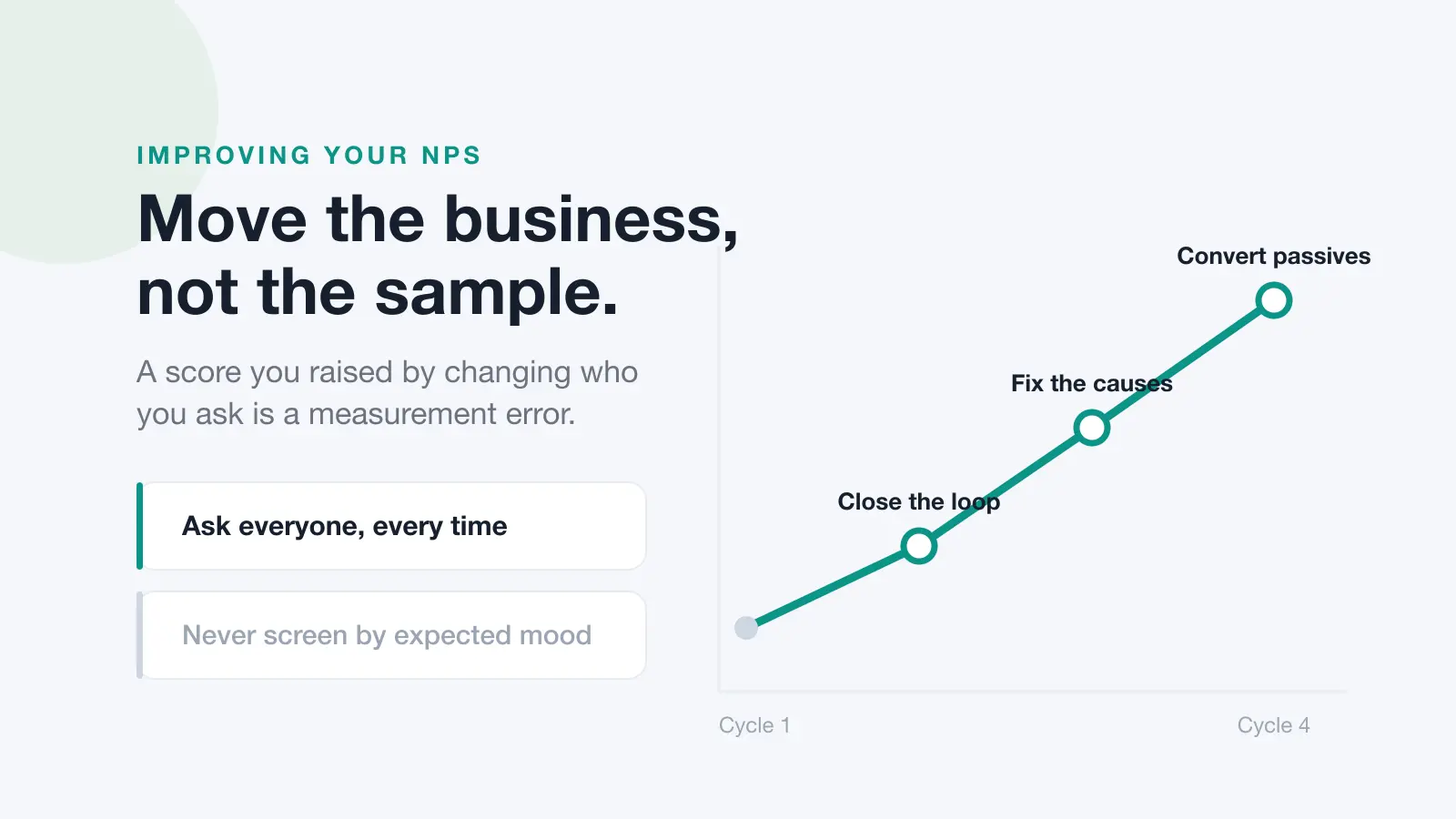
Many companies successfully collect customer feedback but fail to establish systematic processes for analysis and implementation. Without dedicated workflows for processing customer input, valuable insights get buried in databases and email threads, never reaching the decision-makers who could act on them.
This disconnect between collection and action creates a feedback graveyard where customer voices disappear into organizational black holes, contributing to the sense of customer unappreciation that drives business loss.
Time Constraints and Resource Limitations
Small business owners face particularly acute challenges when it comes to managing customer feedback effectively. With 33% of small business owners working more than 50 hours weekly, time constraints create significant barriers to meaningful feedback engagement.
The Opportunity Cost Dilemma
When business owners are stretched thin across multiple responsibilities, ignoring customer feedback often becomes a matter of triage rather than choice. Immediate operational demands—managing inventory, processing orders, handling staff issues—take precedence over the seemingly less urgent task of analyzing customer opinions.
However, this short-term thinking creates long-term problems. While addressing immediate operational needs feels productive, neglecting customer feedback perpetuates underlying issues that generate those operational crises in the first place.
Resource Allocation Challenges
Many businesses lack the dedicated personnel and systems necessary for effective feedback management. Without specialized tools and processes, feedback analysis becomes a time-intensive manual process that overwhelmed business owners simply can't prioritize.
The irony is that businesses most in need of customer insights—those struggling with resource constraints—are least equipped to systematically gather and analyze the feedback that could help them optimize their limited resources.
The True Cost of Ignoring Customer Voices
The consequences of neglecting customer feedback extend far beyond missed improvement opportunities. Businesses that fail to engage with customer input face compounding negative effects that accelerate competitive disadvantage.
Customer Retention Erosion
When customers feel their opinions don't matter, they naturally reduce their engagement with feedback requests. This creates a vicious cycle: businesses receive less feedback, making them even less responsive to customer needs, which further diminishes customer willingness to provide input.
The 68% customer attrition rate among businesses that make customers feel unappreciated represents not just lost revenue, but lost opportunities for referrals, positive reviews, and the organic marketing that satisfied customers provide.
Innovation Stagnation
Customer feedback serves as a crucial source of innovation ideas and market intelligence. Businesses that ignore this input lose access to real-world insights about changing customer preferences, emerging needs, and competitive weaknesses they could exploit.
Companies that systematically process customer feedback consistently outperform competitors in product development, service optimization, and market positioning because they're making decisions based on actual customer data rather than internal assumptions.
Transforming Feedback Into Competitive Advantage
The businesses that thrive in competitive markets are those that transform customer feedback from a burdensome obligation into a strategic advantage. This transformation requires both mindset shifts and systematic implementation of feedback management processes.
Creating Feedback-Responsive Culture
Successful businesses cultivate organizational cultures that view customer feedback as valuable intelligence rather than criticism to be defended against. This cultural shift starts with leadership modeling open reception to feedback and demonstrating how customer input drives positive business changes.
When employees see that customer feedback leads to meaningful improvements and business success, they become advocates for feedback collection and analysis rather than obstacles to the process.
Implementing Systematic Response Strategies
Modern businesses need systematic approaches to feedback management that don't require overwhelming time investments from already-stretched leadership teams. Automated systems can streamline collection, analysis, and response processes, making comprehensive feedback management feasible even for resource-constrained organizations.
The key is implementing solutions that scale with business needs while maintaining the personal touch that makes customers feel heard and valued.
Conclusion
Ignoring customer feedback isn't just a missed opportunity—it's a strategic mistake that compounds over time, driving away customers and stifling growth. Businesses that recognize feedback as a competitive asset and implement systematic processes for collection, analysis, and response consistently outperform those that treat customer input as an afterthought.
Ready to transform your customer feedback into a competitive advantage? Dinopix Reviews provides comprehensive reputation management solutions that help businesses monitor, analyze, and respond to customer feedback efficiently. Our AI-powered platform streamlines the feedback management process, making it easy for busy business owners to stay connected with customer needs and build stronger relationships that drive growth.
Frequently Asked Questions
Why do customers stop providing feedback when they feel ignored?
When customers perceive that their feedback isn't valued or acted upon, they naturally reduce their participation in feedback requests. This creates a psychological contract where customers feel their time and opinions aren't respected, leading to decreased engagement with future feedback opportunities.
How can small businesses manage feedback effectively with limited time?
Small businesses can leverage automated feedback management tools that streamline collection and analysis processes. Setting up systematic workflows, using templates for responses, and prioritizing feedback based on impact can make feedback management feasible even with limited resources.
What's the biggest mistake businesses make with customer surveys?
The most common mistake is creating overly lengthy surveys with too many questions. This causes survey fatigue and abandonment, reducing both response rates and response quality. Effective surveys focus on the most critical questions and respect customers' time constraints.
How does confirmation bias affect feedback interpretation?
Confirmation bias causes business leaders to selectively interpret feedback in ways that support their existing beliefs about their business. This means valuable critical insights get dismissed or downplayed, while feedback confirming existing assumptions receives disproportionate attention, leading to skewed understanding of customer satisfaction.
What's the emotional impact of negative reviews on business owners?
Research shows 82% of business owners report that negative reviews take an emotional toll. This psychological impact can create defensive mechanisms and avoidance behaviors that prevent productive engagement with customer criticism, ultimately harming business improvement opportunities.
How can businesses overcome psychological barriers to feedback?
Overcoming psychological barriers requires reframing feedback as valuable business intelligence rather than personal criticism. Establishing systematic processes for feedback analysis, focusing on patterns rather than individual comments, and celebrating improvements driven by customer input can help shift mindset from defensive to receptive.