How to Build an Automated Review and Testimonial Collection System
Learn how to create an automated review and testimonial collection system in 2026. Boost customer engagement and streamline feedback processes.

How to Build an Automated Review and Testimonial Collection System
Last month, I watched a client struggle to manage review requests for their 500+ daily orders. Their team spent 15 hours weekly manually sending emails, tracking responses, and following up with customers—all while missing 70% of potential testimonials. Within 30 days of implementing an automated review collection system, they increased their review volume by 340% and freed up their team to focus on customer service improvements that actually drove results.
This transformation isn't unique. Advanced testimonials automation has become the backbone of successful digital reputation management, with AI-powered systems now capable of real-time monitoring, sentiment analysis, and fraud detection that would have been impossible just two years ago.
The Current State of Automated Review Collection
The landscape of review management software has evolved dramatically in 2025. Traditional "send an email after purchase" systems have given way to sophisticated AI-driven platforms that analyze customer behavior patterns, predict optimal outreach timing, and customize messaging based on purchase history and engagement data.
According to recent industry data, automated review systems now achieve 35-50% review coverage compared to the 2-6% typical of manual processes. More importantly, these systems can detect and filter out fake reviews—critical as AI-generated fake reviews now comprise up to 15% of online testimonials.
Core Components of an Advanced Automated Review Collection System
AI-Powered Trigger Intelligence
The foundation of effective automated testimonial gathering lies in sophisticated trigger systems that go far beyond simple post-purchase delays. Advanced systems analyze multiple data points:
- Delivery confirmation integration - Triggers activate only after confirmed receipt
- Product interaction data - Different timing for consumables vs. durables
- Customer lifecycle stage - First-time buyers vs. repeat customers receive different approaches
- Satisfaction indicators - Support ticket history and return data influence timing
For example, a skincare company I worked with discovered that customers who purchased anti-aging products responded best to review requests 21 days post-delivery, while those buying cleansers responded optimally at 14 days. This granular timing optimization increased their response rates by 67%.
Multi-Channel Orchestration
Effective customer feedback systems leverage multiple touchpoints strategically:
- Email sequences with personalized subject lines and dynamic content
- SMS reminders (with proper TCPA compliance) for time-sensitive requests
- In-app notifications for digital products and services
- Social media messaging for customers who engage on those platforms
Technical Implementation Strategy
CRM and POS Integration
Your automated review collection system must seamlessly integrate with existing business tools. The most successful implementations I've built connect to:
- Customer Relationship Management platforms (Salesforce, HubSpot, Pipedrive)
- E-commerce platforms (Shopify, WooCommerce, Magento)
- Point-of-sale systems (Square, Toast, Clover)
- Shipping providers (FedEx, UPS, USPS) for delivery confirmation
This integration enables automatic data pulls that personalize requests with specific purchase details, delivery dates, and customer history—creating authentic, contextual outreach that feels natural rather than automated.
Advanced Personalization Algorithms
Modern online review tools leverage machine learning to optimize every aspect of the customer interaction:
The systems I implement analyze customer behavior patterns, purchase history, and engagement data to predict not just when to ask for reviews, but how to ask in ways that maximize positive responses while maintaining authenticity.
Key personalization elements include:
- Dynamic subject line optimization based on customer segment
- Content adaptation based on product category and price point
- Sender personalization using relevant team members
- Review platform selection based on customer demographics
Strategic Review Request Email Templates
Effective review request email templates follow a proven psychological framework I've refined through testing across dozens of industries:
The GRACE Framework
- Gratitude - Genuine appreciation for their business
- Relevance - Specific reference to their purchase
- Action - Clear, single call-to-action
- Choice - Multiple review platforms when appropriate
- Ease - One-click review links with pre-population
Sentiment Analysis and Quality Control
Advanced feedback collection strategies now incorporate real-time sentiment analysis to route reviews intelligently:
- Positive sentiment indicators → Direct to public review platforms
- Neutral feedback → Internal feedback forms for improvement insights
- Negative sentiment → Customer service escalation for resolution
This intelligent routing prevents negative reviews from reaching public platforms while ensuring genuine issues get addressed—a strategy that has helped my clients maintain 4.7+ star averages while still collecting authentic feedback.
Measuring and Optimizing Performance
Sophisticated digital reputation management requires continuous optimization based on key performance indicators:
Primary Metrics
- Collection rate - Percentage of customers who leave reviews
- Response time - Speed from request to review submission
- Rating distribution - Quality and authenticity of collected reviews
- Platform coverage - Reviews across Google, industry-specific sites, social media
Advanced Analytics
The systems I build track deeper insights that inform business strategy:
- Customer lifetime value correlation with review participation
- Product-specific feedback trends that inform inventory and development decisions
- Seasonal optimization patterns for timing and messaging
- Competitive positioning insights from review content analysis
One client discovered through their automated system that customers who left reviews had 23% higher lifetime value and 40% lower churn rates, leading them to expand their review collection efforts as a customer retention strategy.
Advanced Features and Future-Proofing
Leading-edge customer satisfaction surveys and review systems now incorporate:
- Voice-to-text review collection for higher engagement
- Video testimonial automation with guided recording prompts
- Blockchain verification for review authenticity
- Predictive analytics for proactive issue resolution
Implementation Timeline and Best Practices
Based on my experience implementing these systems across various industries, here's a realistic timeline for building an effective automated review collection system:
Weeks 1-2: Platform selection and initial integration setup
Weeks 3-4: Template creation and personalization logic
Weeks 5-6: Testing and soft launch with select customer segments
Weeks 7-8: Full deployment with monitoring and optimization
The key is starting with a minimum viable system and iterating based on real customer feedback and performance data rather than trying to build the perfect system from day one.
Conclusion
Building an effective automated review collection system requires balancing technological sophistication with authentic customer relationships. The most successful systems I've implemented combine AI-driven personalization with genuine human insight, creating scalable processes that feel personal and valuable to customers.
The investment in advanced testimonials automation pays dividends far beyond just collecting reviews. These systems provide continuous customer insights, drive retention, and create competitive advantages that compound over time. As the digital landscape continues evolving, businesses with sophisticated review collection systems will increasingly outperform those relying on manual or basic automated approaches.
Frequently Asked Questions
How long should I wait after purchase before requesting a review?
The optimal timing varies by product type and industry. Physical products typically require 7-14 days for customers to experience them, while services can be requested 2-3 days post-completion. Use delivery confirmation and product category data to optimize timing automatically.
What's the best channel for automated review requests?
Email remains the most effective primary channel with 15-25% response rates when properly personalized. SMS works well for follow-ups and urgent requests but requires careful compliance with TCPA regulations. In-app notifications work best for digital products and services.
How can I ensure my automated system doesn't violate FTC guidelines?
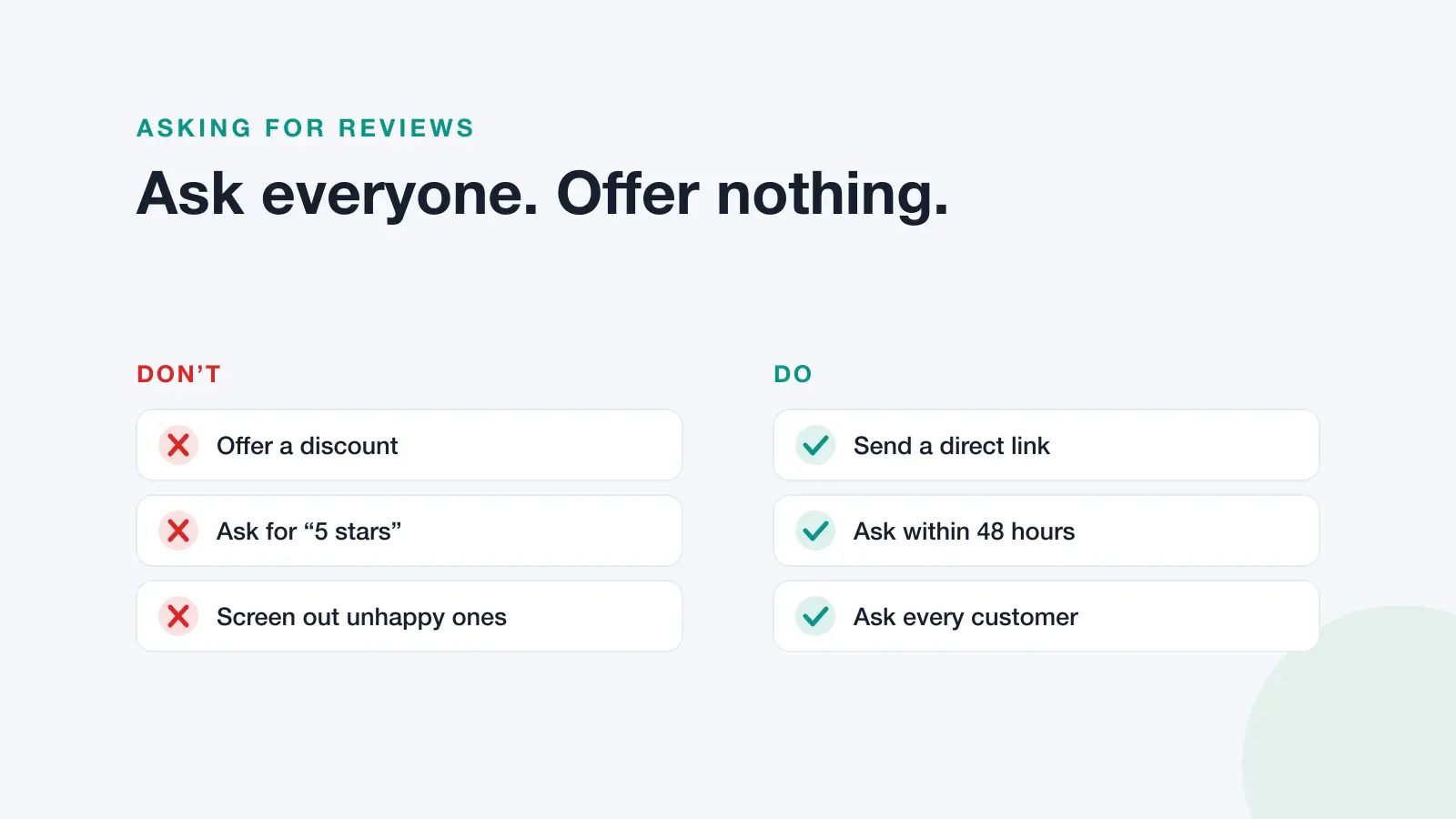
Never incentivize only positive reviews, always disclose any compensation, and ensure your system doesn't filter out negative feedback before it reaches public platforms. Focus on making the review process easier rather than influencing the content of reviews.
Should I use different strategies for different customer segments?
Absolutely. High-value customers, first-time buyers, and repeat customers should receive different messaging and timing. B2B customers typically need longer consideration periods and more formal communication compared to B2C customers.
How do I handle negative reviews collected through my automated system?
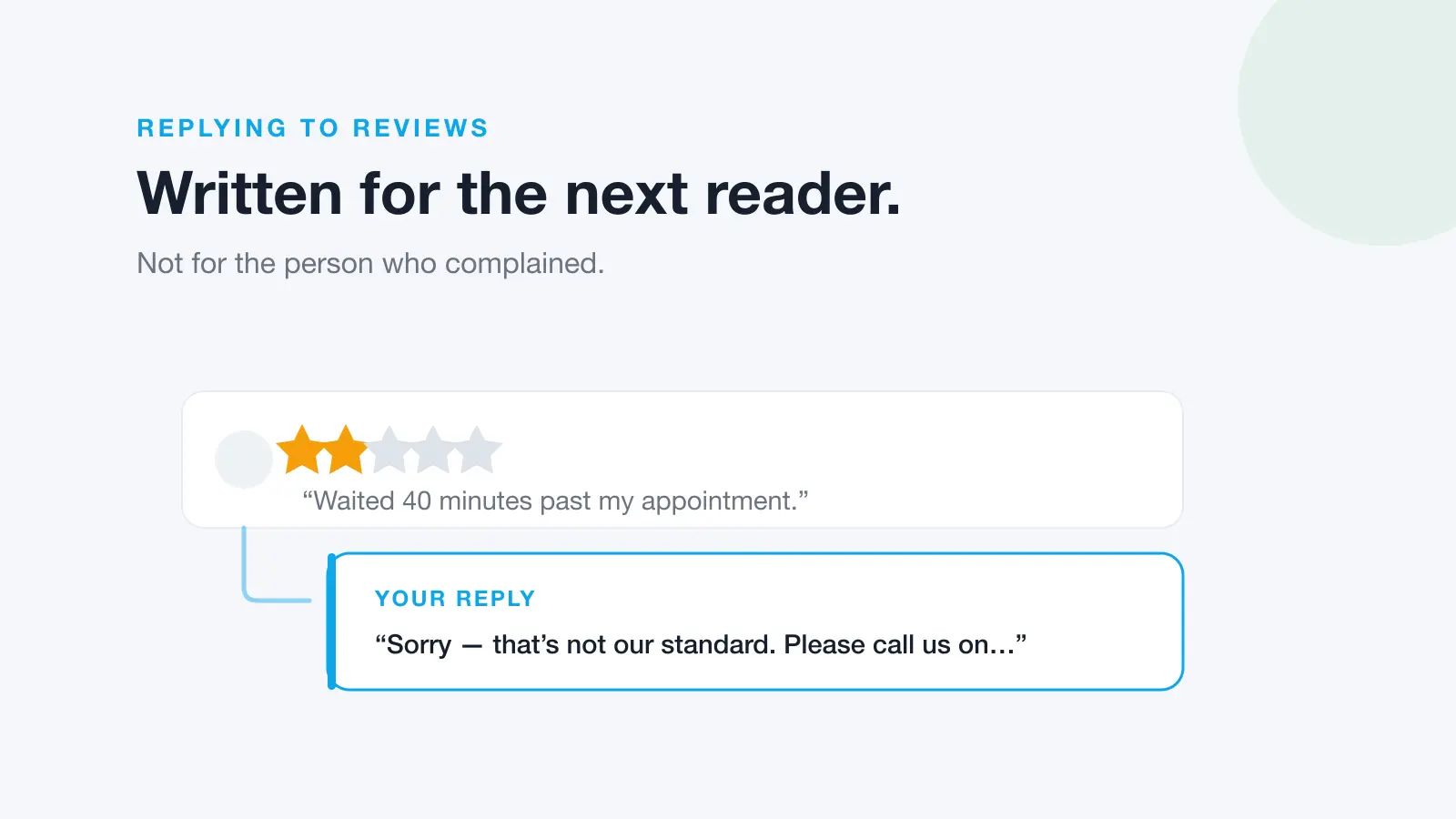
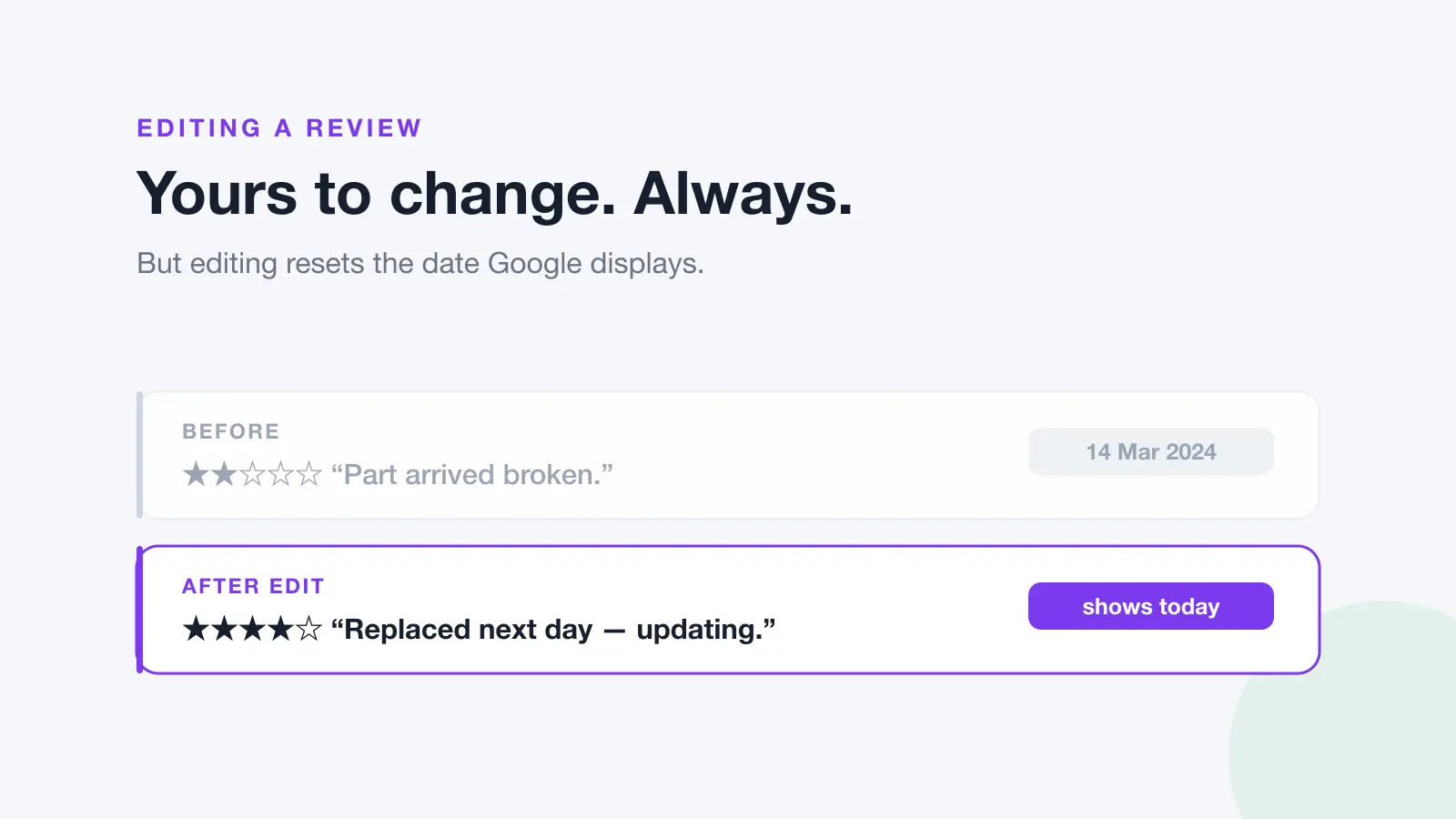
Route negative sentiment to your customer service team before the review goes public when possible. Focus on resolution and follow-up rather than suppression. Many customers will update their reviews if you genuinely address their concerns.
What's a realistic review collection rate to expect from an automated system?
Well-implemented automated systems typically achieve 15-25% collection rates for e-commerce and 25-40% for service businesses. Rates above 40% often indicate either exceptional customer satisfaction or potential compliance issues that need investigation.