How to Create a Customer Experience That Generates Five Star Reviews

Discover effective strategies to enhance your customer experience and generate five star reviews. Learn best practices, tips, and tools to boost customer satisfaction.

In today's digital landscape, five-star reviews are the gold standard for business success. They build trust, drive customer acquisition, and significantly impact your bottom line. But earning these coveted reviews doesn't happen by accident. It requires a strategic approach to creating a customer experience five star reviews naturally follow. The secret lies in understanding that exceptional customer experiences and positive reviews are intrinsically linked, forming a powerful cycle that propels business growth.
When businesses focus solely on asking for reviews without investing in the underlying customer experience, they often fall short of their goals. The most successful companies understand that five-star reviews are the natural byproduct of consistently exceeding customer expectations at every touchpoint. This comprehensive guide will show you how to design and implement a customer experience strategy that makes customers eager to share their positive experiences with the world.
The Psychology Behind Five-Star Reviews
Understanding what motivates customers to leave five-star reviews is crucial for developing an effective strategy. Customers don't just review products or services, they review experiences, emotions, and the value they received relative to their expectations. When a customer feels genuinely delighted by an interaction, they experience a psychological urge to share that positive emotion with others.
Research shows that customers are most likely to leave positive reviews when they feel heard, valued, and surprised by the level of service they received. This emotional connection often matters more than the actual product or service quality. A customer who receives average service with exceptional personal attention is more likely to leave a five-star review than someone who receives perfect service delivered impersonally.
The key psychological triggers that drive positive reviews include:
- Feeling genuinely appreciated and valued as a customer
- Experiencing service that exceeds initial expectations
- Receiving personalized attention that makes them feel special
- Having problems resolved quickly and empathetically
- Feeling like they got exceptional value for their investment
Building the Foundation: Exceptional Customer Experience Design
Exceeding Expectations at Every Touchpoint
Creating a customer experience five star reviews celebrate starts with systematically exceeding expectations throughout the entire customer journey. This doesn't mean you need to over-deliver on everything, instead, focus on identifying key moments where small gestures can create disproportionate positive impact.
Map out every interaction point your customers have with your business, from initial awareness through post-purchase follow-up. At each stage, ask yourself: "How can we exceed what customers typically expect here?" For example, if customers expect a response within 24 hours, respond within 2 hours. If they expect basic packaging, include a handwritten thank-you note.
The most effective approach is to create unexpected positive moments that customers don't see coming. These "wow" moments stick in memory and become the foundation of compelling review narratives. Consider implementing surprise elements like:
- Complimentary upgrades for loyal customers
- Proactive communication about potential issues
- Follow-up calls to ensure satisfaction
- Small gifts or bonuses that weren't promised
- Remembering personal details from previous interactions
The Power of Personalization
Personalization is one of the most powerful tools for creating memorable experiences that generate five-star reviews. When customers feel like they're receiving individualized attention rather than generic service, they develop stronger emotional connections to your brand. This emotional connection is what transforms satisfied customers into enthusiastic advocates.
Implement personalization strategies across all customer interactions:
- Use customers' names consistently in all communications
- Remember and reference previous purchases or interactions
- Tailor recommendations based on individual preferences
- Customize service delivery to match customer communication styles
- Create personalized follow-up sequences based on purchase behavior
Technology plays a crucial role in scaling personalization efforts. Customer Relationship Management (CRM) systems allow you to track preferences, purchase history, and interaction details that enable your team to deliver consistently personalized experiences. When a returning customer calls and your representative immediately knows their history and preferences, it creates an impressive level of service that customers remember and review positively.
Strategic Review Request Timing and Methodology
Identifying the Perfect Moment
The timing of your review request can significantly impact both the likelihood of receiving a response and the quality of that review. The optimal moment is when customer satisfaction is at its peak, typically immediately after a successful service delivery or problem resolution. This is when the positive emotions are strongest and most likely to translate into enthusiastic written feedback.
Different businesses have different optimal timing windows:
- Service businesses: Within 24 hours of service completion
- E-commerce: 3-7 days after delivery confirmation
- Restaurants: Same day or next day after dining
- Professional services: Within 48 hours of project completion
- Healthcare: 2-3 days after appointment for reflection time
Pay attention to customer behavior patterns and adjust your timing accordingly. Monitor when customers typically engage with your follow-up communications and optimize your review requests for those peak engagement windows.
Crafting Effective Review Requests
The way you ask for reviews matters as much as when you ask. Effective review requests feel natural, appreciative, and make the process as simple as possible for the customer. Avoid generic, automated-sounding messages that customers immediately recognize as mass communications.
Effective review request elements include:
- Genuine gratitude for their business
- Specific reference to their recent experience
- Clear, simple instructions for leaving a review
- Multiple platform options when appropriate
- A sincere tone that matches your brand voice
Consider implementing a multi-touch approach where you ask twice if needed, but space the requests appropriately. The second request should acknowledge that you've asked before and provide additional value or context for why reviews matter to your business.
Making the Review Process Effortless
Removing Friction Points
One of the biggest barriers to receiving reviews is the perceived effort required from customers. Even satisfied customers may not follow through if the review process seems complicated or time-consuming. Your goal should be to make leaving a review as easy as clicking a single link.
Implement these friction-reducing strategies:
- Direct links to specific review platforms in all communications
- QR codes on receipts, business cards, and signage
- Review links prominently featured on your website homepage
- Mobile-optimized review processes
- Clear step-by-step instructions when needed
Test your review process regularly from the customer's perspective. Time how long it takes to complete a review and identify any confusing steps. The easier you make it, the more reviews you'll receive.
Automation and Integration Strategies
Automated review requests can significantly increase your review volume when implemented thoughtfully. The key is balancing automation efficiency with personal touch. Use technology to handle the timing and delivery of review requests while ensuring the content feels genuine and relevant.
Effective automation includes:
- Triggered email sequences based on purchase or service completion
- SMS review requests for customers who prefer text communication
- Integration with your existing CRM and customer communication tools
- Automated follow-up for customers who don't respond to initial requests
- Segmented messaging based on customer type or purchase history
Mastering Review Response Strategies
The Importance of Responding to Every Review
Responding to reviews, both positive and negative, is crucial for building a strong online reputation and encouraging future customer experience five star reviews. When customers see that businesses actively engage with feedback, they're more likely to leave their own reviews and feel confident about doing business with you.
Your review responses serve multiple purposes beyond just acknowledging the individual reviewer. They demonstrate your commitment to customer satisfaction to everyone who reads them, including potential customers researching your business. A thoughtful response to a negative review can actually enhance your reputation more than simply having no negative reviews at all.
Response Best Practices
Develop a systematic approach to review responses that maintains consistency while allowing for personalization. Quick response times are important. Aim to respond within 24-48 hours of receiving a review.
For positive reviews:
- Express genuine gratitude for their feedback and business
- Mention specific details from their review to show you read it carefully
- Reinforce positive aspects they mentioned
- Invite them to return or try other services
- Keep the tone consistent with your brand voice
For negative reviews:
- Respond publicly with empathy and professionalism
- Take responsibility without making excuses
- Offer to continue the conversation privately
- Show what you're doing to prevent similar issues
- Follow up privately to resolve the specific concern
Staff Training and Culture Development
Building a Customer-Centric Team
Your staff are the primary drivers of the customer experience that leads to five-star reviews. Investing in comprehensive customer service training ensures that every team member understands their role in creating exceptional experiences and generating positive reviews.
Focus training on these essential areas:
- Active listening skills: Teaching staff to truly hear and understand customer needs
- Problem-solving techniques: Empowering employees to resolve issues creatively
- Communication excellence: Clear, friendly, and professional interaction standards
- Product/service expertise: Deep knowledge that enables confident recommendations
- Emotional intelligence: Reading customer moods and responding appropriately
Create role-playing scenarios that prepare staff for various customer interactions, including difficult situations. The more prepared your team feels, the more confident and positive their customer interactions will be.
Creating a Review-Conscious Culture
Develop a company culture where every employee understands the importance of customer reviews and feels empowered to contribute to positive review generation. This doesn't mean pushing for reviews inappropriately, but rather maintaining consistent awareness of how each interaction contributes to overall customer satisfaction.
Implement culture-building strategies such as:
- Regular sharing of positive customer feedback with the entire team
- Recognition programs for employees who generate positive customer responses
- Training on appropriate ways to mention reviews in natural conversation
- Clear guidelines on when and how to ask for reviews
- Regular discussion of customer feedback in team meetings
Measuring and Optimizing Your Customer Experience for Better Reviews
Key Metrics to Track
Measuring the effectiveness of your customer experience strategy requires tracking both leading and lagging indicators. Leading indicators help you identify potential issues before they impact reviews, while lagging indicators show the ultimate results of your efforts.
Important metrics include:
- Review volume: Total number of reviews received over time
- Review rating average: Your overall star rating across platforms
- Review response rate: Percentage of customers who leave reviews when asked
- Customer satisfaction scores: From surveys and direct feedback
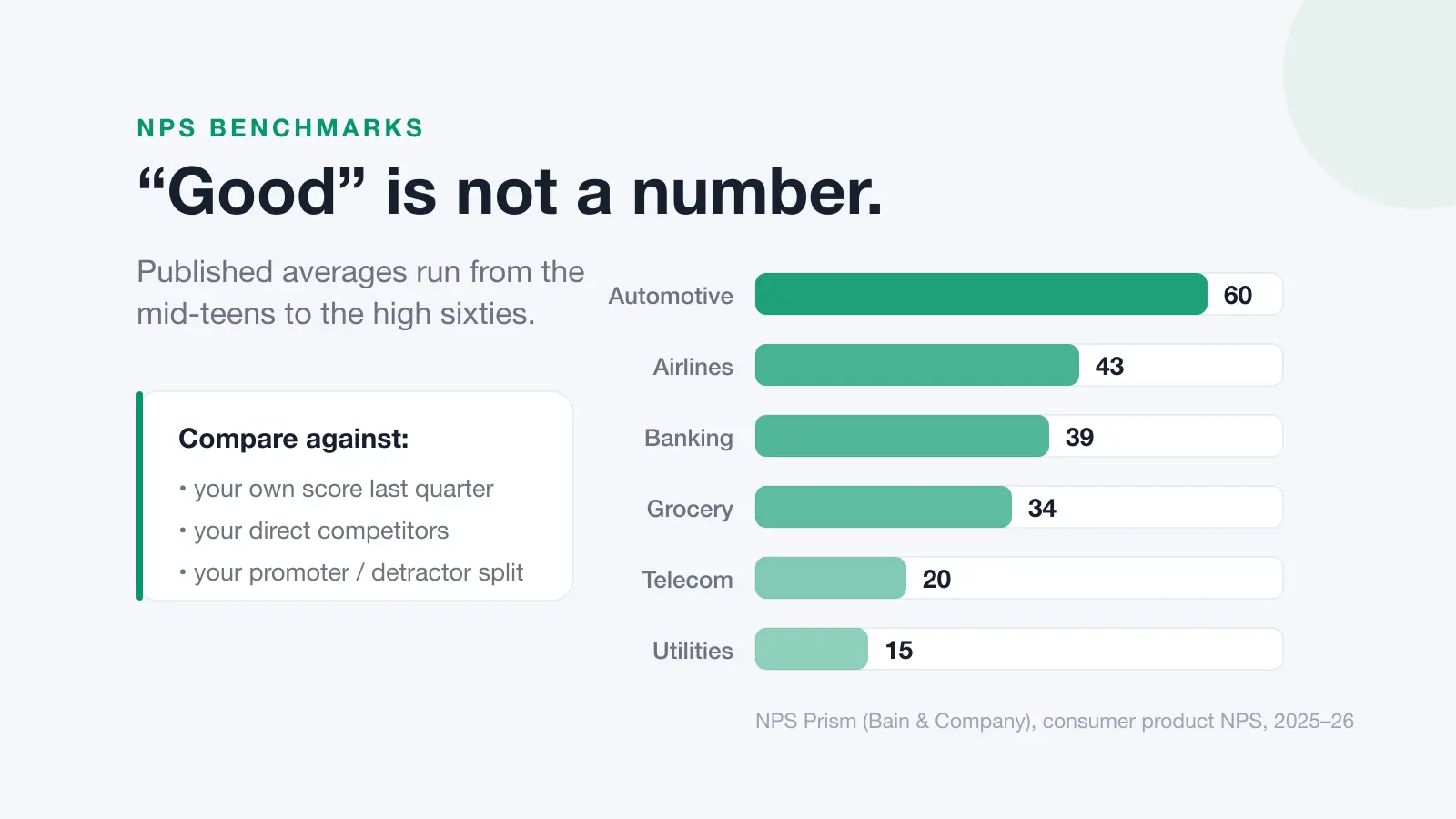
- Net Promoter Score (NPS): Likelihood of customers to recommend you
- Customer retention rate: How many customers return for repeat business
Continuous Improvement Process
Use customer feedback and review data to continuously refine your customer experience strategy. Regular analysis of review content can reveal patterns in customer satisfaction and dissatisfaction that might not be obvious from ratings alone.
Implement a structured improvement process:
- Regularly analyze review content for common themes and feedback
- Identify specific touchpoints that consistently generate positive or negative feedback
- Test improvements to underperforming areas of the customer experience
- Monitor the impact of changes on subsequent review quality and quantity
- Share insights across the organization to ensure company-wide learning
Technology Solutions for Streamlined Review Management
Modern businesses need sophisticated tools to manage customer experiences and reviews at scale. Technology solutions can automate routine tasks while providing insights that help you optimize your approach for generating more customer experience five star reviews.
Consider implementing tools that offer:
- Automated review request sequences based on customer behavior
- Multi-platform review monitoring and response management
- Customer sentiment analysis and feedback categorization
- Integration with existing CRM and customer communication systems
- Performance analytics and reporting dashboards
- AI-powered response suggestions and quality checks
The right technology stack can significantly amplify your team's efforts while ensuring consistent execution of your customer experience strategy. Look for solutions that enhance rather than replace human interaction, maintaining the personal touch that drives emotional connection and positive reviews.
Frequently Asked Questions
How often should I ask customers for reviews?
The optimal frequency depends on your business type and customer interaction patterns. For most businesses, asking once immediately after service delivery and following up once more after 7-10 days if no response is received works well. Avoid asking the same customer for reviews more frequently than once every 3-6 months unless they make new purchases or use additional services.
What should I do if I receive a negative review?
Respond quickly and professionally to negative reviews, showing empathy and taking responsibility without making excuses. Offer to resolve the issue privately and follow through on your commitments. A well-handled negative review response can actually enhance your reputation by demonstrating your commitment to customer satisfaction.
Which review platforms should I prioritize?
Focus on the platforms most relevant to your industry and where your customers are most likely to search for businesses like yours. Google Reviews are essential for most businesses due to their prominence in search results. Industry-specific platforms (like Yelp for restaurants or Houzz for home services) should also be prioritized based on your target market.
How can I improve my average review rating?
Focus on improving the underlying customer experience rather than just asking for more reviews. Address common complaints mentioned in existing reviews, enhance staff training, and ensure consistency across all customer touchpoints. Remember that a few genuine five-star reviews are more valuable than many mediocre ones.
Is it appropriate to incentivize customers to leave reviews?
While offering incentives for reviews isn't inherently wrong, it must be done carefully and in compliance with platform guidelines. Focus on incentivizing the purchase or experience rather than the review itself. Most review platforms prohibit or restrict incentivized reviews, so always check current policies before implementing any incentive programs.
How long does it typically take to see improvements in review quality and quantity?
Most businesses begin seeing improvements in review quantity within 2-4 weeks of implementing systematic review request processes. Quality improvements typically take longer (2-3 months) as they require changes to customer experience processes and staff behavior. Consistency in execution is key to achieving lasting results.
Ready to transform your customer experience and generate more five-star reviews? Dinopix Reviews offers comprehensive reputation management tools that help businesses monitor reviews across platforms, respond to customers with AI assistance, and implement automated review request systems. Our platform makes it easy to create the exceptional customer experiences that naturally lead to positive reviews. Start your free trial today and see how professional review management can accelerate your business growth.