The Essential Review Management Checklist for New Business Owners

Discover the ultimate review management checklist tailored for new business owners. Learn how to effectively manage customer reviews and enhance your online reputation.

Starting a new business comes with countless responsibilities, but one critical aspect that often gets overlooked is establishing a solid review management checklist. In today's digital landscape, online reviews can make or break your business reputation, directly impacting customer acquisition and revenue growth. Whether you're launching a restaurant, retail store, or service-based business, having a systematic approach to managing customer feedback is essential for long-term success.
This comprehensive guide provides new business owners with a step-by-step framework to build, monitor, and optimize their online review management system. By following this structured approach, you'll be equipped to turn customer feedback into a powerful tool for business growth and reputation building.
1. Establish Your Review Management Foundation
Before diving into review generation and monitoring, you need to establish clear governance and processes that will guide your entire review management strategy.
Define Your Review Management Team
Start by determining who will be responsible for various aspects of review management:
- Assign a primary review manager (often the business owner or marketing manager)
- Designate backup personnel for response coverage
- Define escalation procedures for complex or sensitive reviews
- Establish approval processes for public responses
Set Clear Objectives and Guidelines
Establish what you want to achieve through review management:
- Target review volume goals (e.g., 10 new reviews per month)
- Desired rating benchmarks (aim for 4.5+ stars across platforms)
- Response time standards (within 24 hours for all reviews)
- Brand voice and tone guidelines for responses
2. Review Management Checklist: Platform Selection and Setup
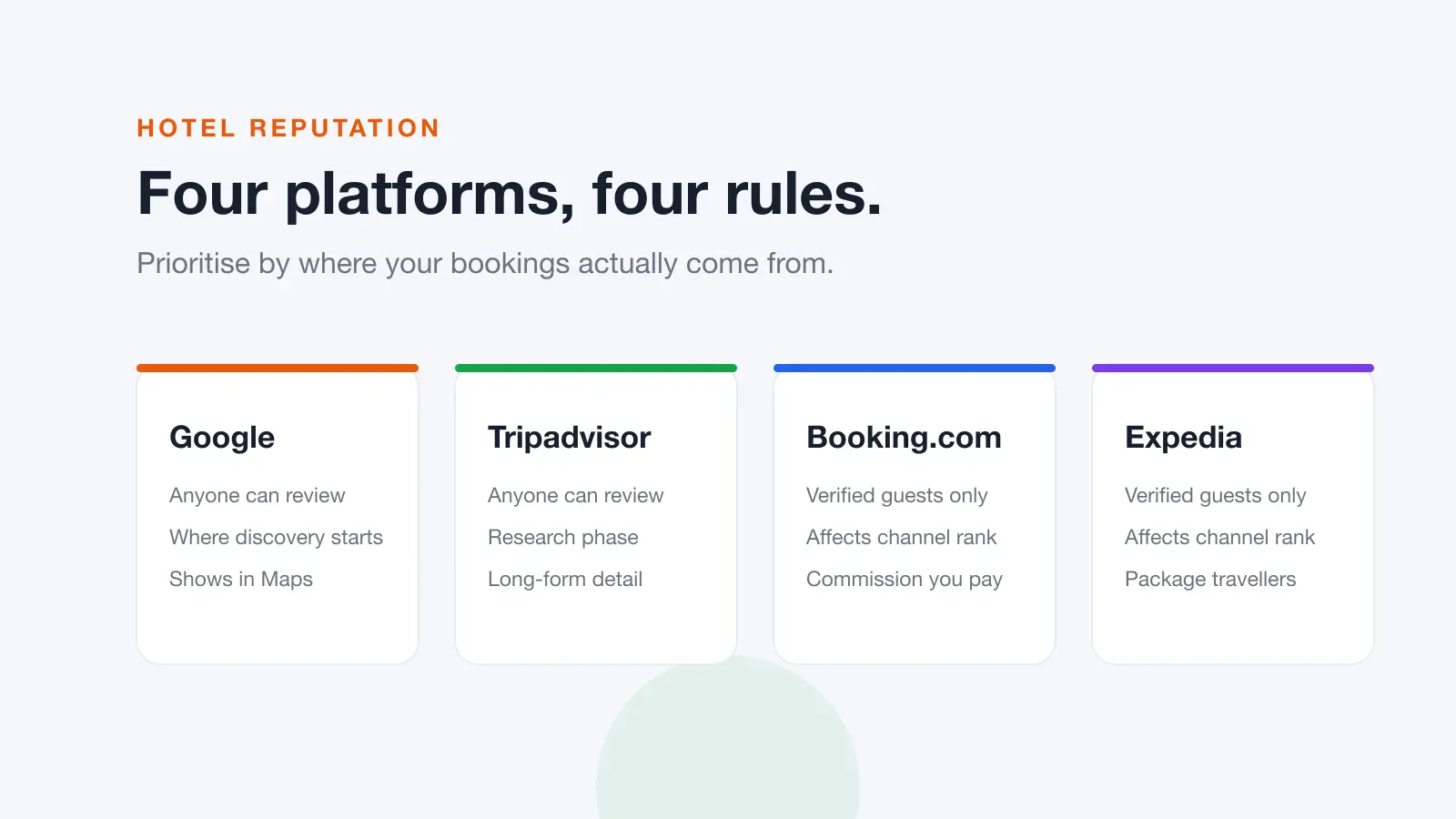
Your review management checklist must include identifying and claiming your business profiles on key review platforms where your customers are most likely to leave feedback.
Priority Platform Setup
Focus on these essential platforms based on your business type:
- Google Business Profile - Critical for all businesses
- Facebook - Essential for customer engagement
- Yelp - Particularly important for restaurants and local services
- Industry-specific platforms (TripAdvisor for hospitality, Zillow for real estate)
- Better Business Bureau - Builds trust and credibility
Profile Optimization
Ensure each profile includes:
- Complete business information (hours, contact details, services)
- High-quality photos and logos
- Accurate business descriptions
- Regular posting and updates
3. Implement Strategic Review Generation
Proactive review generation is crucial for building a strong online presence. The key is creating systematic processes that naturally encourage satisfied customers to share their experiences.
Automated Review Request Systems
Set up automated review requests that trigger at optimal moments:
- Post-purchase emails - Send 2-3 days after product delivery
- Post-appointment follow-ups - Within 24 hours of service completion
- Milestone celebrations - After project completion or significant interactions
- Seasonal campaigns - During peak business periods
Multi-Channel Approach
Diversify your review generation methods:
- Email campaigns with direct review links
- SMS messages for immediate feedback
- QR codes at physical locations
- Staff training for verbal review requests
- Incentive programs (within platform guidelines)
4. Monitor and Track Performance
Consistent monitoring allows you to stay ahead of potential issues and capitalize on positive trends.
Daily Monitoring Tasks
Create a daily routine that includes:
- Checking all review platforms for new feedback
- Responding to any new reviews within 24 hours
- Monitoring mentions across social media
- Tracking competitor review activity
Analytics and Reporting
Implement regular analysis of key metrics:
- Review volume trends - Track monthly growth patterns
- Sentiment analysis - Monitor positive vs. negative feedback ratios
- Platform performance - Identify which channels generate the most reviews
- Campaign effectiveness - Measure ROI of review generation efforts
- Keyword analysis - Understand what customers mention most frequently
5. Master the Art of Review Responses
How you respond to reviews can significantly impact your brand reputation and customer relationships.
Response Templates and Guidelines
Develop templates for common scenarios while maintaining authenticity:
- Positive reviews - Express gratitude and reinforce key brand messages
- Negative reviews - Acknowledge concerns, apologize when appropriate, and offer solutions
- Neutral reviews - Thank customers and invite further engagement
- Fake or inappropriate reviews - Report through proper channels while responding professionally
Crisis Prevention Strategies
Address negative reviews promptly to prevent reputation crises:
- Respond within 2-4 hours to negative feedback
- Take conversations offline when detailed resolution is needed
- Follow up publicly after resolving issues privately
- Use negative feedback as opportunities for service improvement
6. Conduct Regular Review Audits
Schedule comprehensive audits every 2-3 weeks to identify patterns, opportunities, and potential issues before they escalate.
Audit Checklist Items
- Review volume and rating trends across all platforms
- Response rate and time analysis
- Common complaint themes or service gaps
- Competitor comparison and benchmarking
- Staff performance in generating positive reviews
- Technical issues with review platforms or request systems
Continuous Improvement
Use audit findings to refine your approach:
- Adjust review request timing based on response rates
- Update response templates based on recurring themes
- Train staff on areas identified through customer feedback
- Optimize business operations to address common complaints
Streamline Your Review Management Process
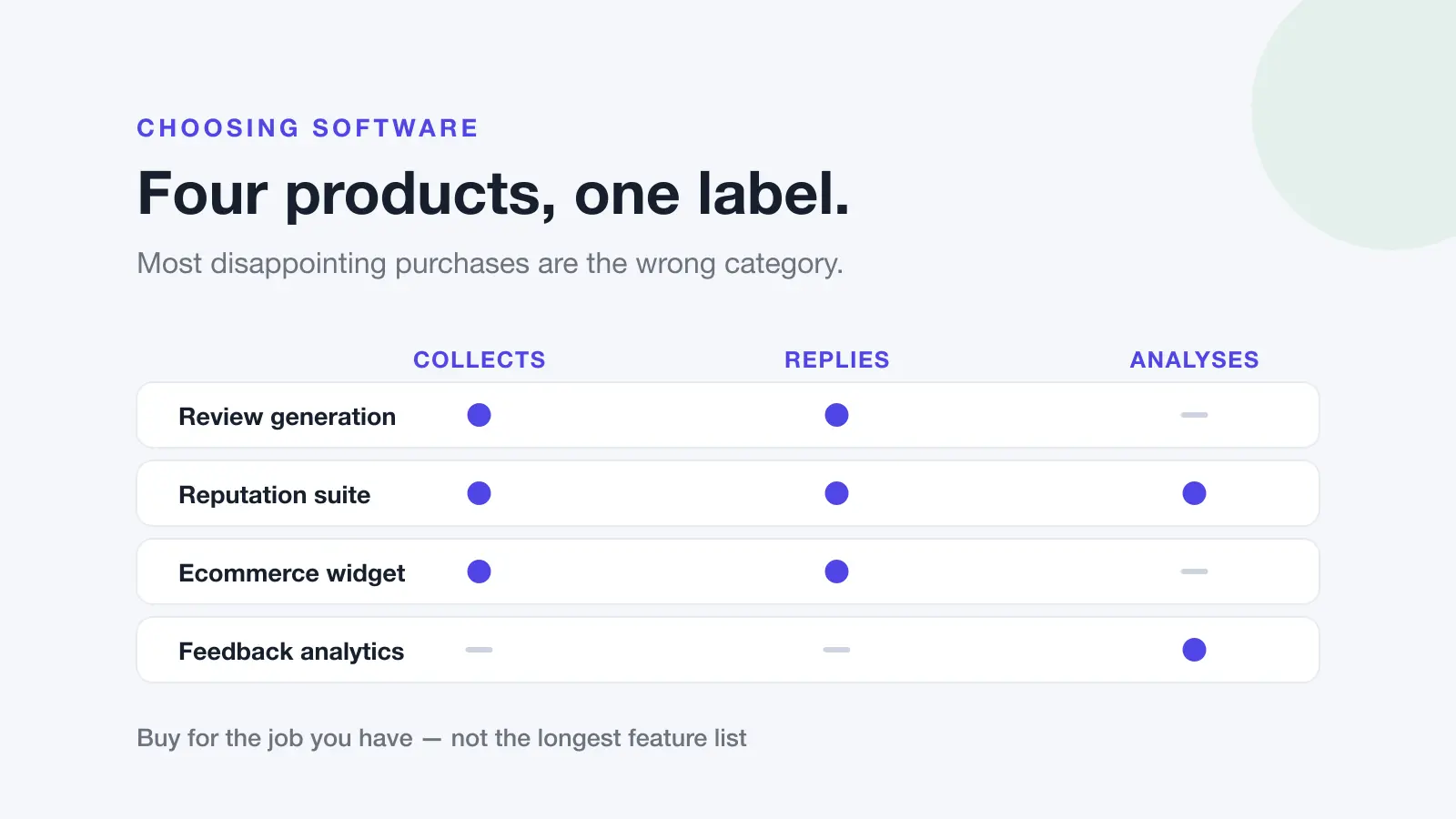
Managing reviews across multiple platforms can be time-consuming and overwhelming for new business owners. Dinopix Reviews offers an all-in-one solution that automates review monitoring, provides AI-powered response suggestions, and delivers actionable insights to help you build a stronger online reputation. With centralized dashboard management and smart automation, you can focus on growing your business while ensuring no customer feedback goes unnoticed.
FAQ
How often should I check for new reviews?
Check for new reviews daily, especially during your first year of business. This allows you to respond quickly and shows customers that you value their feedback. As your business grows, you can maintain this daily habit or use automated monitoring tools.
What's the ideal response time for customer reviews?
Aim to respond to all reviews within 24 hours, with negative reviews receiving priority within 2-4 hours. Quick responses demonstrate excellent customer service and can help prevent negative situations from escalating.
Should I respond to every review, including positive ones?
Yes, responding to all reviews shows you value customer feedback and engagement. Keep positive review responses brief and authentic, while negative reviews may require more detailed responses and follow-up actions.
How many reviews should I aim for as a new business?
Start with a goal of 5-10 reviews per month, focusing on quality over quantity. As you establish systems and gain more customers, aim for 15-25 monthly reviews to build substantial social proof and improve your search rankings.
What should I do if I receive a fake negative review?
First, respond professionally and factually to the review. Then, report the fake review to the platform using their designated reporting process. Document everything and continue providing excellent service to generate authentic positive reviews that outweigh any fake ones.
How can I encourage customers to leave reviews without being pushy?
Focus on providing exceptional service first, then make the review process convenient with direct links and clear instructions. Train staff to mention reviews naturally during positive interactions, and consider automated follow-up emails that feel helpful rather than demanding.