How to Respond to a One Star Review Professionally: A Complete Guide

Learn how to respond to a one star review professionally with effective strategies and examples. Improve your business reputation and customer relationships.
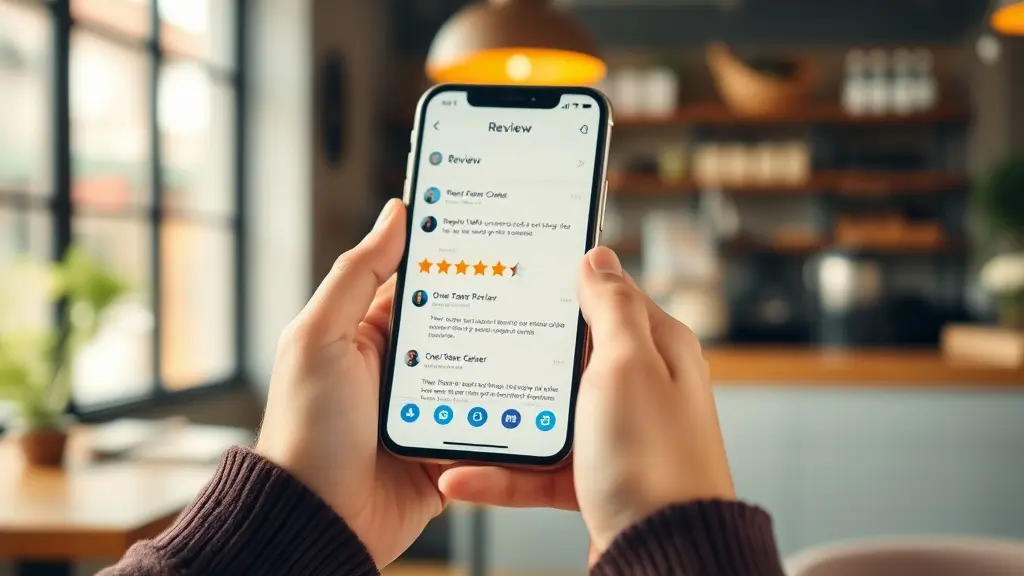
Receiving a one-star review can feel devastating for any business owner, but knowing how to respond to a one star review professionally can transform this challenge into an opportunity. Rather than viewing negative feedback as a setback, savvy business owners understand that their response can demonstrate exceptional customer service, build trust with potential customers, and even win back dissatisfied clients. The key lies in crafting thoughtful, empathetic responses that acknowledge concerns while showcasing your commitment to customer satisfaction.
Professional review responses serve multiple purposes beyond addressing the original complaint. They show other potential customers that you care about feedback, take responsibility when necessary, and actively work to resolve issues. This comprehensive guide will walk you through proven strategies for transforming negative reviews into reputation recovery opportunities while maintaining your brand's integrity.
The Psychology Behind One-Star Reviews
Understanding why customers leave one-star reviews is crucial for crafting effective responses. Most negative reviews stem from unmet expectations, poor communication, product defects, or service failures. However, the emotional state of the reviewer often amplifies their disappointment, leading to harsh criticism that may seem disproportionate to the actual issue.
Customers who take time to write detailed negative reviews often feel genuinely wronged and want their voices heard. They may also hope for resolution or compensation. Some reviewers are simply frustrated and need acknowledgment of their experience. Recognizing these underlying motivations helps you respond with appropriate empathy and solutions.
Additionally, consider that many potential customers read your responses to negative reviews before making purchasing decisions. Your professional handling of criticism can actually enhance your reputation more than having no negative reviews at all, as it demonstrates transparency and commitment to customer satisfaction.
Essential Elements of Professional One-Star Review Responses
Start with Genuine Empathy and Acknowledgment
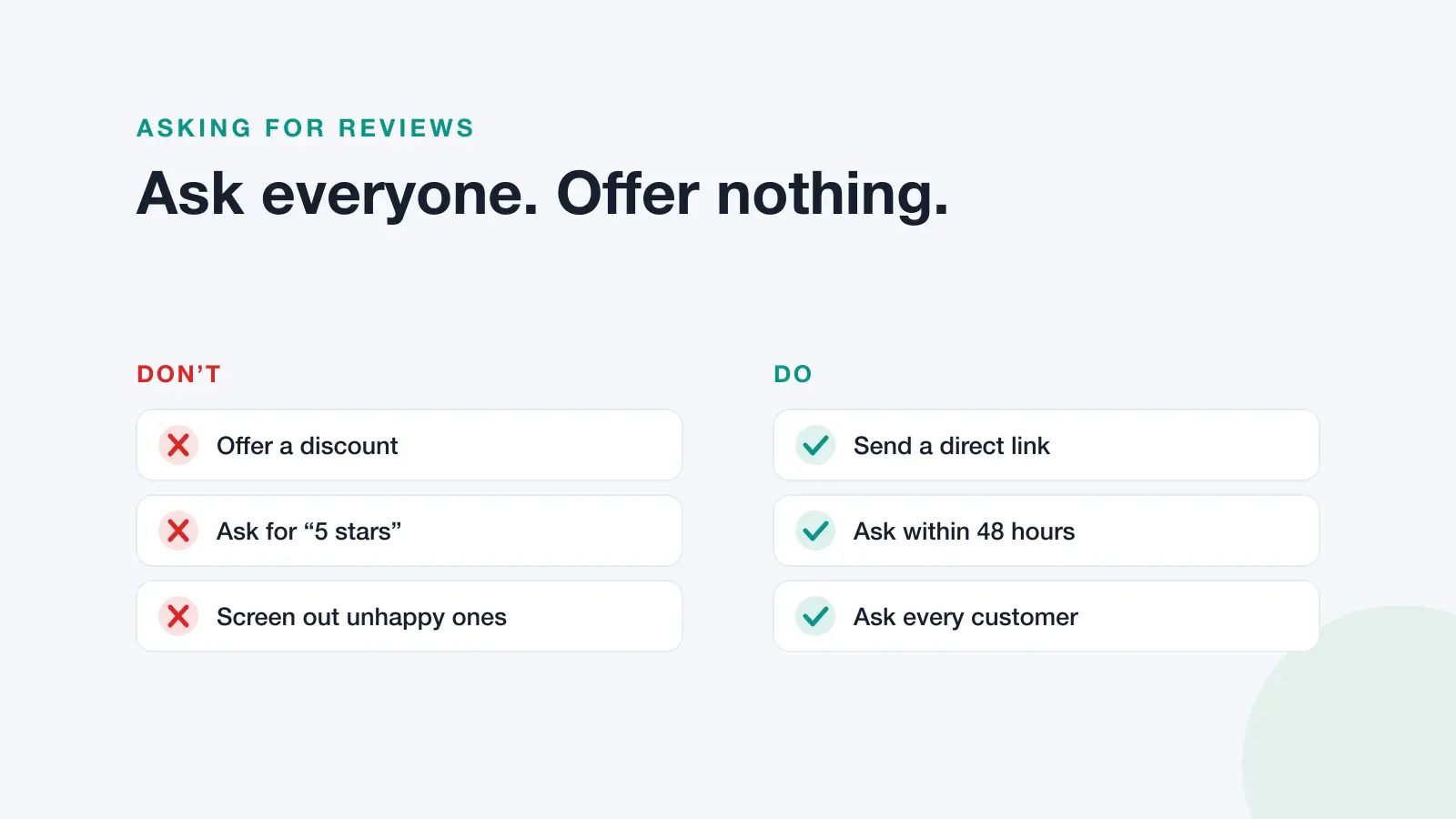
Begin every response by acknowledging the customer's experience and expressing genuine empathy for their frustration. Avoid dismissive language or immediately jumping into defensive explanations. Instead, validate their feelings and show that you take their concerns seriously.
Use phrases like "I understand your disappointment" or "Thank you for bringing this to our attention" to demonstrate that you value their feedback. This empathetic opening sets a collaborative tone rather than a confrontational one, making the customer more receptive to your response.
Offer a Sincere Apology Without Admitting Fault
A professional apology focuses on the customer's experience rather than accepting blame for something that may not be your fault. You can apologize for their negative experience without admitting wrongdoing. For example, "I'm sorry you had this experience with our service" acknowledges their disappointment without accepting liability.
When you are clearly at fault, however, take full responsibility. Customers appreciate honesty and accountability, and admitting mistakes when they occur builds trust and credibility.
Personalize Your Response
Whenever possible, use the reviewer's name and reference specific details from their review. This personalization shows you've read their feedback carefully and aren't using generic copy-and-paste responses. Mention specific services they used, dates of their visit, or particular issues they raised to demonstrate your attention to detail.
Step-by-Step Framework to Respond to One Star Reviews
Step 1: Respond Promptly
Timing is crucial when you respond to one star review situations. Aim to respond within 24-48 hours to show attentiveness and that you value customer feedback. Quick responses prevent negative reviews from sitting unanswered, which could be interpreted as indifference by other potential customers.
Prompt responses also demonstrate that you actively monitor your online presence and care about customer satisfaction. This responsiveness can turn a negative situation into a positive demonstration of your customer service standards.
Step 2: Take the Conversation Private When Appropriate
For complex issues or situations requiring personal information exchange, invite the customer to continue the conversation offline. Provide specific contact information and reference numbers to make it easy for them to reach you directly.
Use phrases like "Please contact me directly at [email] so we can resolve this matter personally" or "I'd like to discuss this further with you. Please call us at [phone number] and reference ticket #[number]." This approach shows you're committed to resolution while protecting both parties' privacy.
Step 3: Offer Specific Solutions
Provide concrete solutions rather than vague promises. If appropriate, offer refunds, replacements, discounts on future services, or specific steps you'll take to prevent similar issues. Be specific about what you can do and when the customer can expect resolution.
Examples of specific solutions include:
- Full refunds with specific timelines for processing
- Replacement products with expedited shipping
- Complimentary services to make up for poor experiences
- Direct contact with management for personalized resolution
Step 4: Address System Improvements
When appropriate, mention specific steps you're taking to prevent similar issues in the future. This shows other readers that you learn from feedback and continuously improve your business operations. However, keep these mentions brief and avoid over-explaining internal processes.
What to Avoid in Your Response
Never Attack or Blame the Customer
Avoid defensive language, personal attacks, or blaming the customer for misunderstanding your policies. Even if the customer seems unreasonable, maintain professionalism and focus on finding solutions rather than proving who's right.
Don't Make Excuses or Over-Explain
While brief context can be helpful, avoid lengthy explanations that sound like excuses. Customers don't want to hear about your staffing issues, supply chain problems, or other internal challenges. Focus on their experience and your solutions instead.
Avoid Industry Jargon and Corporate Speak
Write in plain, conversational language that anyone can understand. Avoid technical terms, corporate buzzwords, or overly formal language that creates distance between you and the customer.
Don't Promote Your Business in the Response
Resist the urge to use negative review responses as marketing opportunities. Avoid mentioning awards, promotions, or trying to sell additional services. The focus should be entirely on addressing the customer's concerns.
Sample Response Templates
For Service Issues:
"Hi [Customer Name], thank you for taking the time to share your feedback. I sincerely apologize that your experience with our [specific service] didn't meet your expectations. You're absolutely right that [specific issue mentioned] should not have happened, and I want to make this right. Please contact me directly at [email] or [phone] so we can discuss how to resolve this immediately. We value your business and hope to earn back your trust."
For Product Quality Issues:
"Dear [Customer Name], I'm genuinely sorry that the [specific product] you received wasn't up to our usual standards. The quality issue you described is not acceptable, and I want to send you a replacement immediately along with a full refund for your inconvenience. Please email me at [contact] with your order details so I can expedite this resolution. Thank you for bringing this to our attention."
Measuring the Impact of Your Response Strategy
Track the effectiveness of your review response strategy by monitoring several key metrics. Look for increases in overall rating averages, reduced frequency of similar complaints, and improved customer engagement with your responses. Many businesses find that professional review responses actually encourage more positive reviews from satisfied customers.
Additionally, monitor whether dissatisfied customers follow up after your response. Successful responses often lead to private conversations where issues are resolved, sometimes resulting in updated reviews or removed negative feedback.
Consider implementing a systematic approach to review management that includes automated notifications for new reviews, response templates for common issues, and regular training for team members who handle customer communications.
Frequently Asked Questions
How quickly should I respond to a one-star review?
Aim to respond within 24-48 hours maximum. Quick responses show you're attentive to customer feedback and take concerns seriously. However, don't sacrifice quality for speed – take time to craft a thoughtful, personalized response.
Should I respond to every one-star review, even obviously fake ones?
Yes, respond to all legitimate reviews, but you can keep responses to suspicious reviews brief and professional. For clearly fake reviews, focus on factual information and encourage readers to consider the overall pattern of reviews rather than engaging with false claims.
What if the customer doesn't respond to my invitation to discuss privately?
That's perfectly normal and acceptable. Your public response still demonstrates to other potential customers that you care about feedback and are willing to resolve issues. Not every customer will want to engage further, and that's their choice.
Can responding to negative reviews actually improve my business reputation?
Absolutely. Studies show that businesses who respond professionally to negative reviews often see improved overall ratings and increased customer trust. Potential customers view thoughtful responses as indicators of good customer service.
Should I ask customers to update or remove their negative reviews after resolving issues?
You can politely mention that you'd appreciate them considering an update if their experience improves, but never pressure customers or make resolution contingent on review changes. Focus on genuine problem-solving rather than review manipulation.
How long should my response be to a one-star review?
Keep responses concise but comprehensive – typically 50-150 words. Include all essential elements (acknowledgment, apology, solution, contact information) without being verbose. Readers appreciate brief, actionable responses over lengthy explanations.
Managing online reviews effectively requires consistency, empathy, and strategic thinking. If you're looking to streamline your review response process and ensure every customer interaction reflects your brand values professionally, consider implementing a comprehensive reputation management system. Dinopix Reviews offers AI-powered response suggestions, automated monitoring, and analytics to help businesses transform negative feedback into growth opportunities while saving valuable time on review management tasks.