Reputation Management for Doctors

Why replying to a patient review can breach HIPAA, what the OCR enforcement settlements involved, and how medical practices should respond instead.
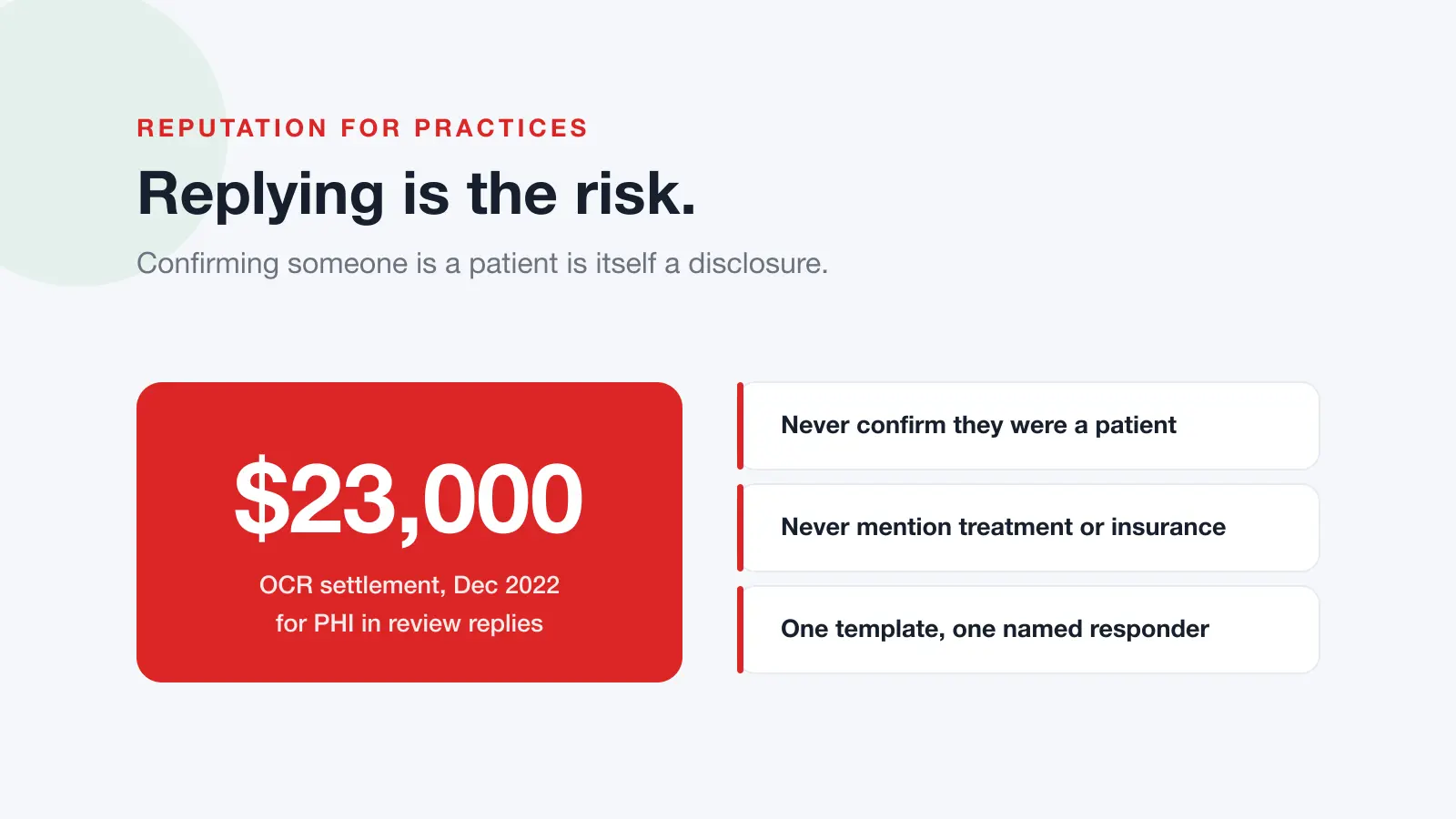
Every business is told to reply to its reviews. For medical practices that advice is actively dangerous, because the ordinary reply — the one that thanks the patient and mentions their visit — can itself be a privacy breach. Confirming that someone was a patient is a disclosure, and in the US that has cost practices real money.
This covers what you can safely publish, what enforcement has actually looked like, and the strategy that works when defending yourself isn't available.
Why the usual advice doesn't apply
Under HIPAA, protected health information includes the fact that an individual received care from you. A reply saying "we're sorry your appointment on the 14th ran late" confirms attendance, the date, and the nature of the relationship — all in one sentence written with good intentions.
This isn't theoretical. In December 2022, the HHS Office for Civil Rights settled with a California dental practice, New Vision Dental, over disclosures made while responding to online reviews. OCR's account was that the practice habitually disclosed protected health information when replying to patient posts — at times supplying patients' full names where the reviewer had used only a pseudonym, and adding detail about visits and insurance that the patient had not themselves mentioned. The practice paid $23,000 and agreed to a corrective action plan monitored for two years, which required removing years of social media posts containing PHI and issuing breach notices to the affected individuals.
An earlier OCR settlement, with Elite Dental Associates, resolved social media disclosures of patient information for $10,000.
Google review reply templates
20 replies you can copy and edit, from a 5-star thank-you to a fair answer to a 1-star complaint. Free, by email.
We'll email the templates from support@dinopix.com.au, then about one email a month with new review guides and Dinopix product news. Unsubscribe in one click from any email. Privacy policy
What a safe reply looks like
The safe reply contains no information at all. It acknowledges, states the constraint, and moves the conversation offline.
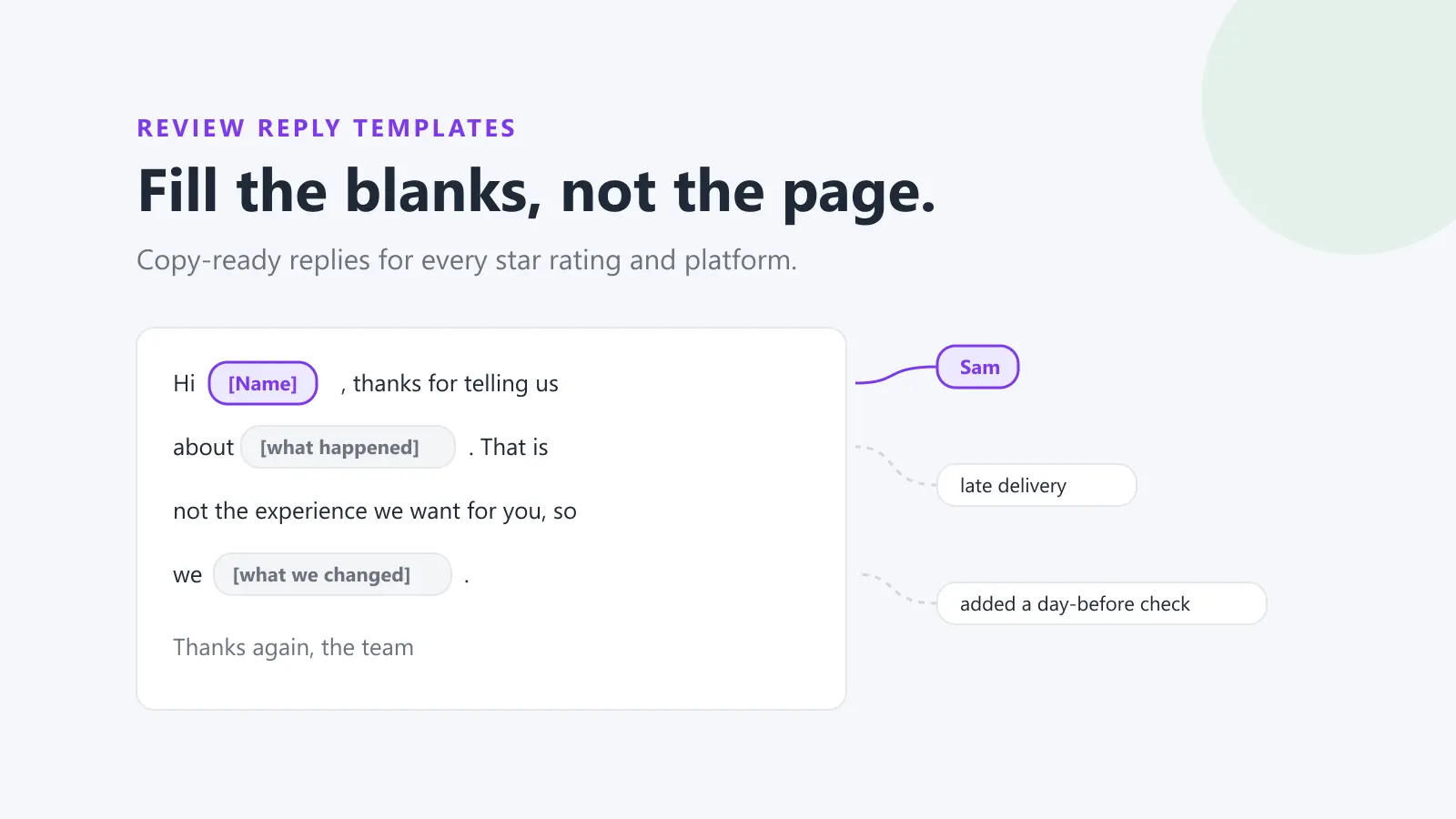
"Thank you for taking the time to leave feedback. Privacy rules mean we can't discuss any individual's care publicly, but we take all concerns seriously. Please contact our practice manager on [number] so we can look into this properly."
Use the same reply for positive reviews, adjusted in tone. "Thanks so much — glad we could help with your knee" is a disclosure, however warm it sounds.
| Unsafe reply | What it discloses |
|---|---|
| "Sorry your appointment ran over on Tuesday" | That they attended, and when |
| "Your insurance didn't cover that procedure" | Treatment and insurance information |
| "We explained the risks at your consultation" | Care received and its content |
| "You've been a patient with us for years" | The treatment relationship and its duration |
| "This person has never been treated here" | Still a statement about patient status |
| "Thanks for the kind words about your surgery" | Care received — positive reviews carry the same risk |
Where the effort should go
If you can't argue with a bad review, the remaining lever is making it statistically irrelevant. Most practices are badly placed for this — heavily used, well liked, and sitting on a profile with fifteen reviews, because nobody ever asked.
Asking patients for reviews is permitted. The constraints are the ordinary ones plus a clinical caution:
- Ask everyone, not the patients you expect to be happy. Filtering by expected sentiment is review gating and breaches Google's policies.
- Never incentivise. No discounts, no entry into a draw, nothing in exchange.
- Ask patients not to include clinical details. This protects them, and it reduces the chance Google removes the review under its personal information policy.
- Use judgement about who to ask. A request sent after a difficult diagnosis is not a neutral act. Exclude sensitive care pathways from automated requests.
Practical setup
- One approved reply template, signed off by whoever owns your privacy compliance, used by everyone.
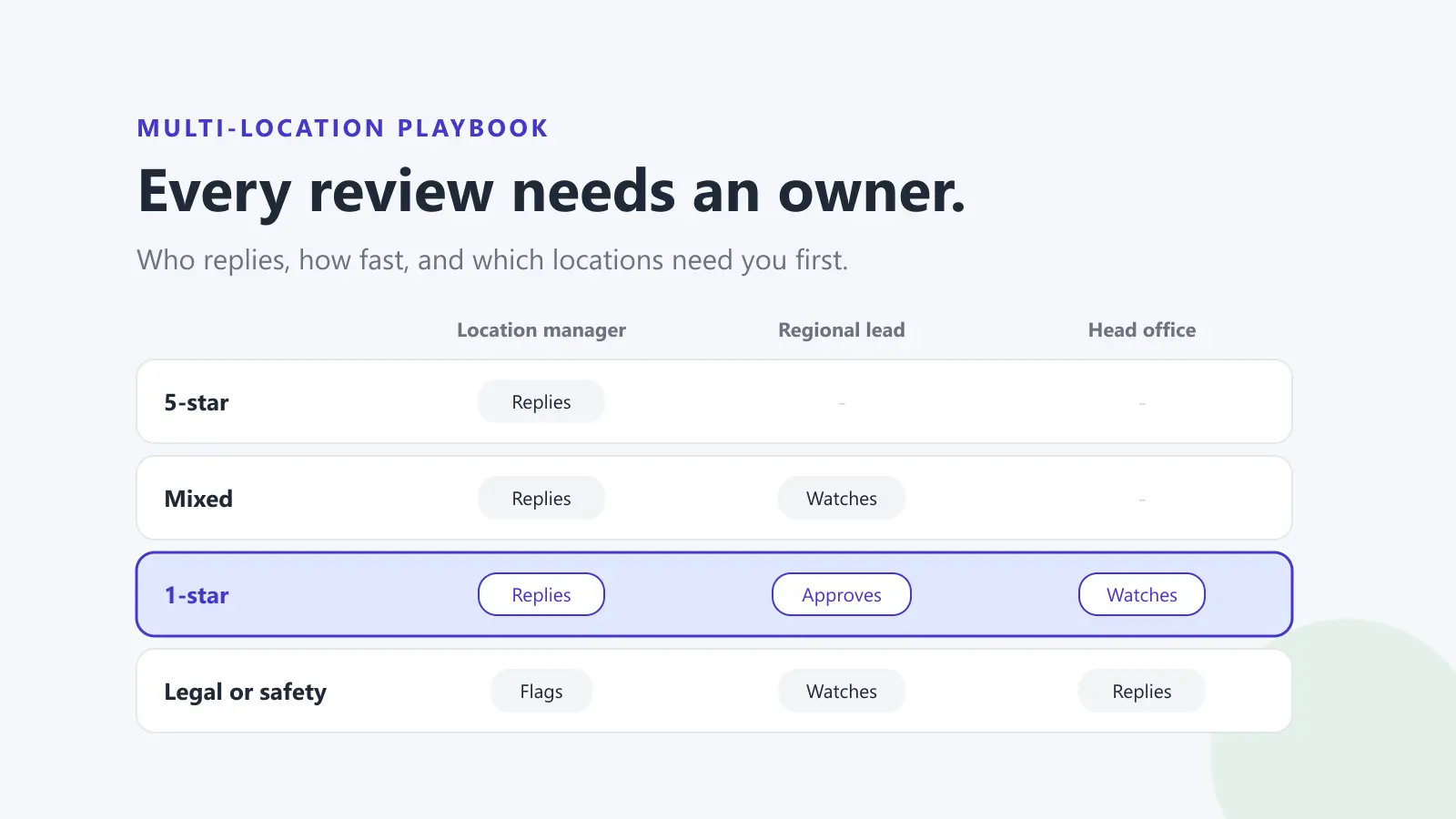
- One named responder. Front desk staff replying informally is how disclosures happen.
- A written policy covering social media and review responses. Both OCR settlements above included corrective action plans requiring exactly this.
- Report genuinely false reviews rather than rebutting them — a review from someone who was never a patient may breach Google's fake engagement policy.
Running that consistently — requests going out to appropriate patients automatically, every review landing in one place, an approved template ready so nobody improvises — is what Dinopix Reviews handles, with sentiment analysis so the reviews needing careful handling are the ones you see first.
Frequently Asked Questions
Can a doctor respond to a patient's online review?
Only in general terms. Under HIPAA the fact that someone received care from you is itself protected health information, so a reply must not confirm the person was a patient or reference their treatment, visit or insurance. A safe response acknowledges the feedback, explains that privacy rules prevent discussing individual care publicly, and offers a private contact route.
Has a practice actually been fined for replying to reviews?
Yes. In December 2022 the HHS Office for Civil Rights settled with New Vision Dental in California for $23,000 over protected health information disclosed while responding to online reviews, with a two-year corrective action plan. An earlier settlement with Elite Dental Associates resolved similar social media disclosures for $10,000.
Can I reply to a positive review from a patient?
Not in specific terms. Thanking someone for kind words about their procedure confirms both that they were a patient and what care they received, which carries the same risk as a defensive reply. Use the same neutral acknowledgement you would use for a complaint, adjusted in tone but containing no detail.
What if the review is completely false?
Do not rebut it publicly, because denying that someone is a patient is still a statement about patient status. Report it to the platform instead — a review from someone with no genuine connection to the practice may breach Google's fake engagement policy. If it is defamatory, that's a matter for legal advice rather than a public reply.
Can medical practices ask patients for reviews?
Yes, and most should be doing far more of it. Ask every patient rather than a selected group, never offer anything in return, and exclude sensitive care pathways where a request would be inappropriate. Asking patients to describe the practice rather than name clinicians or clinical details protects both them and the review.
Should we have a written policy for review responses?
Yes. Both OCR settlements referenced above included corrective action plans requiring written policies and procedures. Beyond compliance, a single approved template used by one named responder is the practical control that stops a well-meaning staff member improvising a reply that discloses something it shouldn't.
Sources
This guide draws on the primary sources below. Regulations and enforcement guidance change — always check the current version, and take advice on your own obligations.
- HHS Civil Rights Office Enters Settlement with Dental Practice Over Disclosures of Patients' Protected Health Information (New Vision Dental, December 2022)
- Dental Practice Pays $10,000 to Settle Social Media Disclosures of Patients' Protected Health Information (Elite Dental Associates)
- Prohibited & restricted content — Google Business Profile Help
Google review reply templates
20 replies you can copy and edit, from a 5-star thank-you to a fair answer to a 1-star complaint. Free, by email.
We'll email the templates from support@dinopix.com.au, then about one email a month with new review guides and Dinopix product news. Unsubscribe in one click from any email. Privacy policy